Celebrating the Roots of Paso Robles Harvest
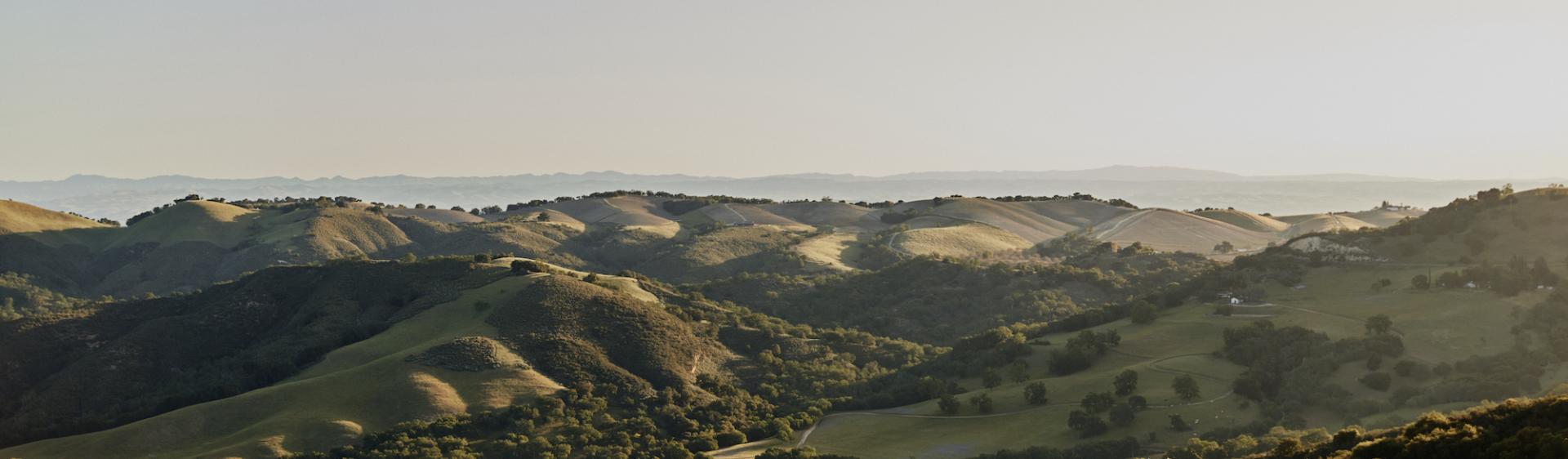
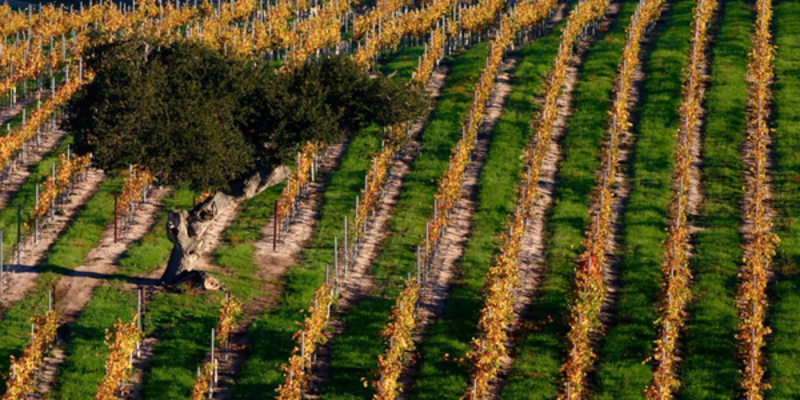
There’s a particular beauty to Paso Robles in the fall. Morning light settles across the vineyards, oak trees frame winding country roads, and the season’s work moves from the vines into the cellar. Behind every glass is a year of tending, waiting, and deciding when the grapes are ready.
October is Harvest Wine Month in Paso Robles, a month of winery celebrations and experiences that invite you to enjoy the season. But harvest is about more than what's happening in the vineyards. It's also a chance to discover the history behind the wine, the agricultural roots of the region, and the people who continue to shape Paso Robles Wine Country.
From early vineyards to independent tasting rooms, Paso's wine story is rooted in a connection to the land. Come for a tasting, take the scenic route, and give yourself time to discover a few of the stories along the way.
Where Paso's Wine Story Began: The Land Before Wine Country
Long before tasting rooms dotted the backroads, Paso Robles was an agricultural community. Ranches, grain fields, orchards, and hot springs helped shape a landscape where working the land was part of everyday life.
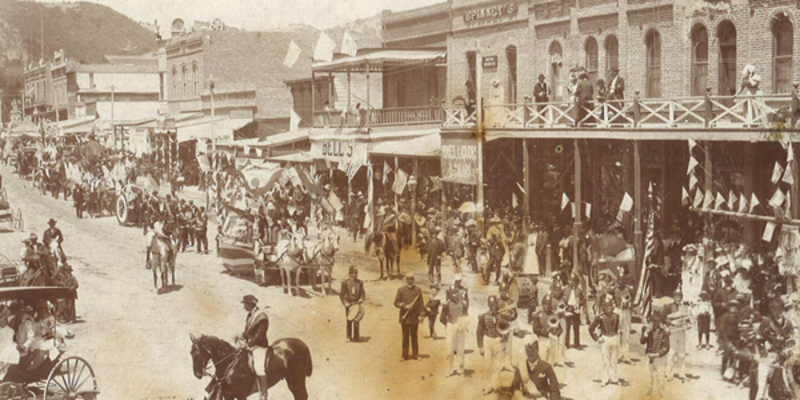
Paso Robles was even known as “Almond City” because of the concentration of almond orchards in the area. Agriculture wasn't simply something happening around the edges of town—it was part of the community's identity.
Vineyards eventually grew into that agricultural tradition, carrying its practical knowledge and determination into a new industry.
In 1882, Andrew York established the winery that would become known as York Mountain, an important early chapter in the region's commercial winemaking history. Today, Epoch WInery carries that story forward at the historic property.
The region's wine story continued to evolve in the decades that followed. In the 1920s, Polish statesman and concert pianist Ignacy Paderewski planted Zinfandel and Petite Sirah at his Rancho San Ignacio vineyard, adding another chapter to Paso's growing wine legacy.
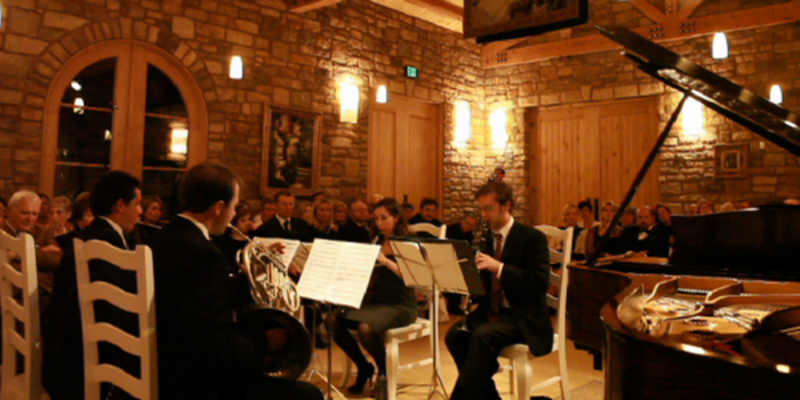
Today, his connection to the region lives on through the Paderewski Festival, an annual celebration of music, culture and history that honors his legacy in Paso Robles. The festival brings together performances, wine and educational experiences, offering a unique way to experience the lasting influence of one of Paso's most fascinating historical figures.
That history is part of what makes visiting Paso Robles so special. A drive through wine country becomes more meaningful when you consider the generations who saw possibility in these hills—and the growers and winemakers who continue to shape the region’s wine story today.
Explore the Paso Robles Wine Country Landscape
One of the best ways to understand Paso Robles is simply to experience its landscape.
Two-lane roads wind through rolling hills and wide-open vineyards, with rows of grapevines stretching toward the horizon and oak trees scattered across the hillsides. Along the way, you may pass weathered barns, working ranches, orchards, and winery entrances tucked behind rows of vines.
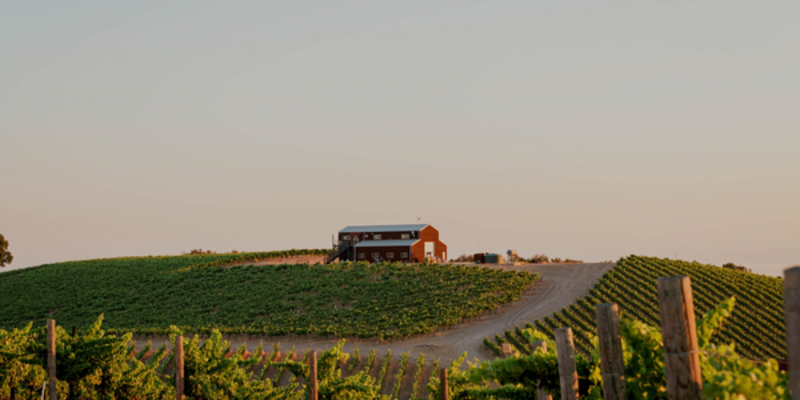
During harvest, the countryside takes on a little more energy as vineyard crews work between the rows, tractors move through the vineyards, and grape bins make their way toward the crush pads.
Paso Robles is home to more than 200 wineries, more than 60 grape varieties, and 11 distinct winegrowing areas within the larger Paso Robles AVA. That diversity creates plenty of opportunities to explore, whether you're drawn to Zinfandel, Cabernet Sauvignon, Rhône varieties, or something you've never tasted before.
What to Expect During Harvest Season in Paso Robles
Harvest season offers a closer look at the work behind Paso Robles wine.
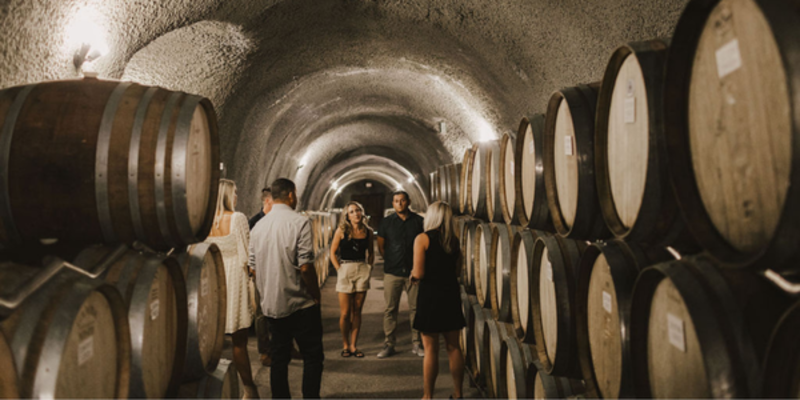
Depending on the winery and timing, visitors may have the opportunity to walk through a vineyard, peek into a cellar, taste wine from the barrel, or learn more about the winemaking process directly from the people making the wine.
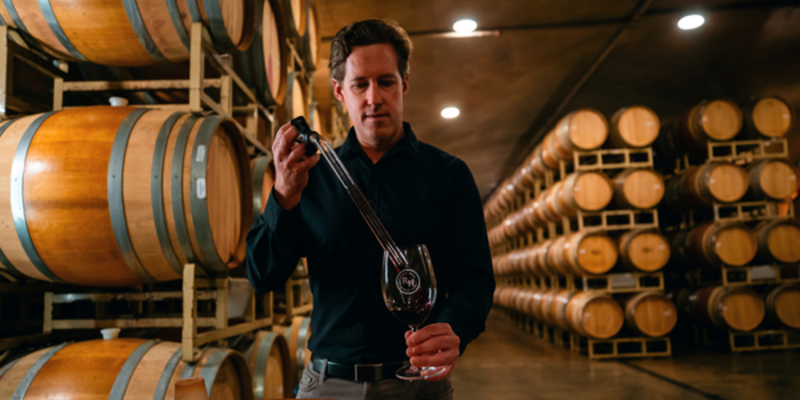
Some harvest experiences may also include hands-on activities, live music, or opportunities to learn more about the science behind winemaking.
Harvest is a working season, so vineyard and cellar access will vary. Ask ahead about tours or special activities, and check directly with wineries about reservations and experience details.
Most importantly, take a moment to ask about the vineyard behind your glass: What grows there? How has the season unfolded? What makes that particular place special?
Those conversations bring wine country into focus. Each bottle begins somewhere, and harvest offers a chance to understand that place beyond the label.
The Families Who Helped Shape Paso Robles Wine Country
Behind Paso Robles’ wine country are the growers, winemakers and families whose ideas, traditions and investments helped shape the region over generations. Their contributions continue to influence the wines, vineyards and character of Paso Robles today.
Some of those family stories are still being written today.
Eberle Winery traces its roots to Gary Eberle, who helped shape modern Paso Robles wine after establishing his family’s Estrella River Winery & Vineyards. In the late 1970s, he launched his own project on nearly 64 acres, establishing what would become Eberle Winery. The winery’s iconic boar logo pays tribute to the German meaning of Eberle: “small boar.”
J. Lohr Vineyards & Wines traces its Paso Robles roots to 1986, when Jerry Lohr recognized the region’s potential for Cabernet Sauvignon and other Bordeaux varieties and planted his first estate vineyards. The first Seven Oaks Cabernet Sauvignon followed in 1987, helping showcase Paso Robles as a region capable of producing distinctive, high-quality Cabernet.
Peachy Canyon Winery was founded by Doug and Nancy Beckett in 1988, when Paso Robles’ wine industry was still in its early years. Its focus on Zinfandel quickly put the winery on the map, with its 1990 Westside Zinfandel becoming the first Paso Robles wine to earn a spot on Wine Spectator’s Top 100 in 1991, followed by another Top 100 Zinfandel the next year—helping establish Paso Robles as a premier Zinfandel region.
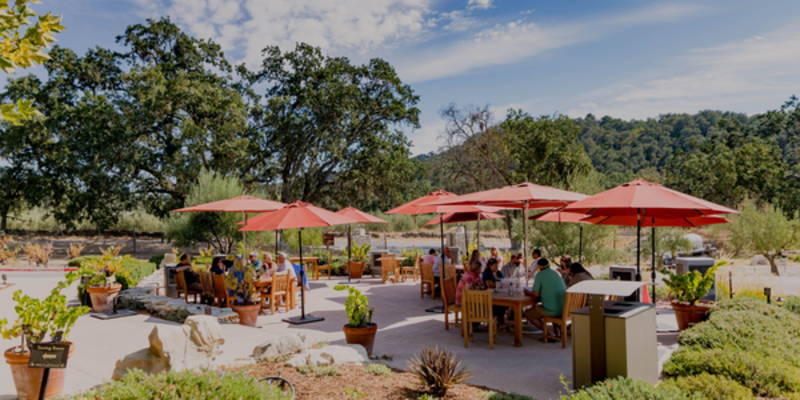
Tablas Creek Vineyard was founded in 1989 by the Perrin family of Château de Beaucastel and American importer Robert Haas, who saw Paso Robles’ potential for Rhône varieties. The partnership imported grapevines from France and shared the vines with other growers, helping establish Paso Robles as a leading Rhône wine region.
Hope Family Wines traces its Paso Robles roots to 1978, when the Hope family began farming apples and grapes. Austin Hope became the first winemaker in his family, leading the transition from grape growing to winemaking. His namesake Cabernet Sauvignon debuted with a 97-point score from Wine Enthusiast, then became the first Paso Robles wine to reach the publication’s Top 10, helping elevate the region’s reputation for Cabernet Sauvignon.
Together, these wineries offer more than a place to taste wine. They provide a glimpse into the people, families, and ideas that helped shape Paso Robles Wine Country—and continue to influence where it goes next.
Paso Robles Wine: From Zinfandel to 11 AVAs
For generations, Paso Robles' wine story has continued to evolve.
Zinfandel remains one of the region's heritage varieties, but today's vineyards look very different from those early plantings. More than 60 wine grape varieties now grow throughout the region, from Cabernet Sauvignon and Zinfandel to Grenache, Syrah, Mourvèdre, and other Rhône and Bordeaux varieties.
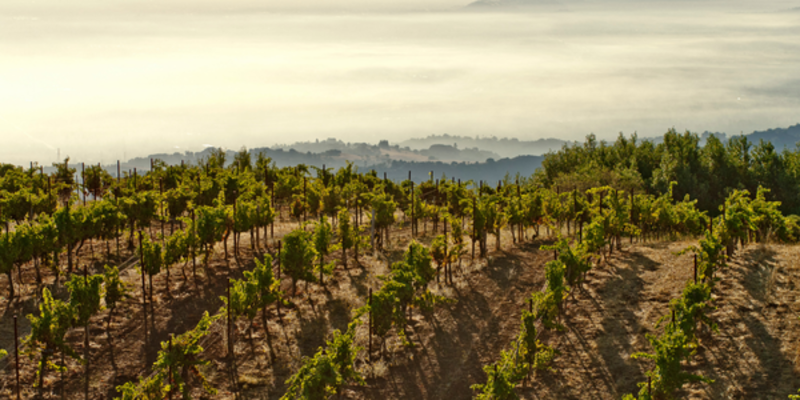
The region's diversity is also reflected in its geography. What began as one large Paso Robles American Viticultural Area (AVA)—a federally recognized grape-growing region defined by its distinct geography and climate—has evolved into 11 distinct viticultural areas. Each area has its own combination of soils, elevations, topography, and growing conditions, which can influence how grapes grow and how wines taste.
There is no single definition of what Paso Robles wine looks—or tastes—like.
And that diversity is part of what makes harvest here so interesting.
Meet the People Behind the Next Vintage: Paso Robles Wine Country Today
Paso's history isn't frozen in the past. The same community shaped by agriculture and early winegrowing continues to evolve through family wineries, independent producers, restaurants, creative spaces, and new businesses.

Alongside established wineries, independent producers bring fresh ideas, international experience, and deeply personal approaches to winemaking.
In Tin City, small-production wineries, breweries, cideries, distilleries, and food spots have created a modern gathering place within Paso Robles Wine Country.
Downtown offers another perspective. Historic buildings and the city park sit alongside independently owned shops, restaurants, tasting rooms, galleries, and creative spaces such as Studios on the Park.
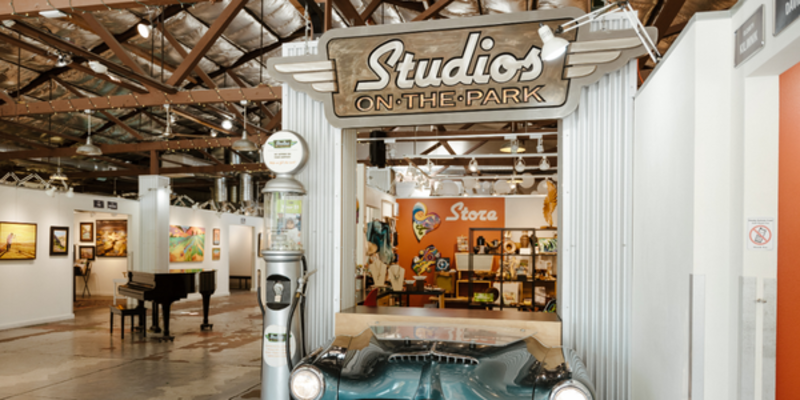
The contrast is part of what makes Paso interesting: a historic downtown rooted in the community's early years, agricultural landscapes shaped over generations, and newer wine-country neighborhoods that continue to evolve.
Experience Paso Robles Farm-to-Table Food and Wine
Wine may be what brings many visitors to Paso Robles during harvest, but agriculture has always been part of the region's identity.
The landscape surrounding Paso Robles has supported ranching, farming, and a variety of crops over the years. Today, that agricultural heritage can also be experienced at the table, where local restaurants pair Paso Robles wines with seasonal and locally sourced ingredients.
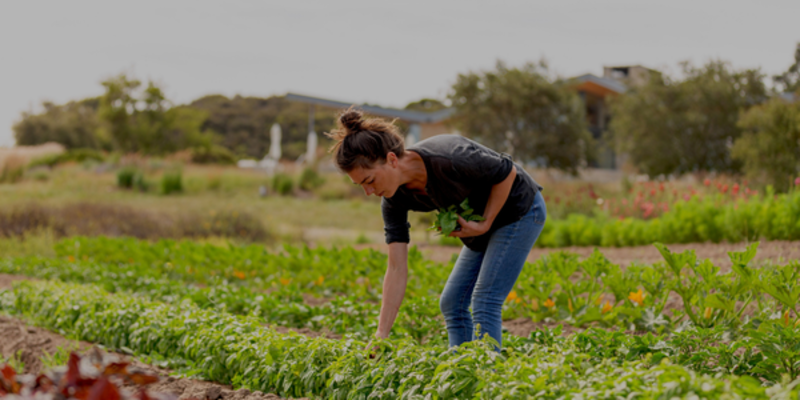
At Niner Wine Estates, a seasonal lunch menu connects the estate's wines with ingredients from local farms and its own Chef's Garden.
At JUSTIN Estate, the dining experience offers another opportunity to experience the estate beyond the tasting room.
For a downtown option, Les Petites Canailles brings seasonal Central Coast ingredients into a French-inspired, farm-to-table setting.
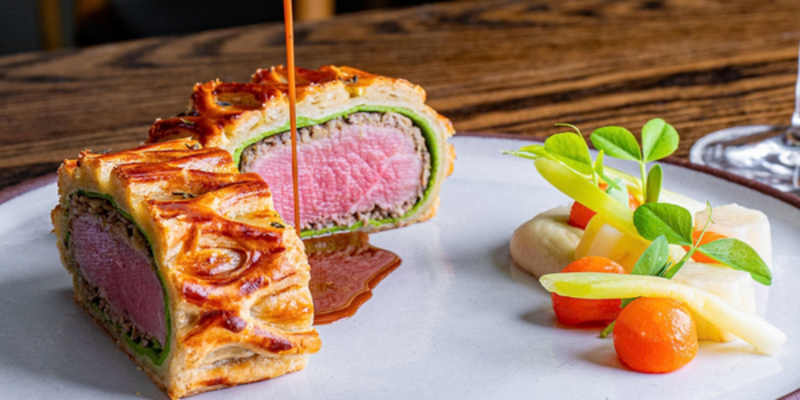
Whether lunch comes with a vineyard view, a chef-driven menu, or a more casual setting, food becomes another way to experience the connection between Paso's vineyards, farms, and kitchens.
Celebrate Harvest Wine Month in Paso Robles
Throughout October, wineries across Paso Robles host their own Harvest Wine Month events. Browse the Harvest Wine Month calendar to find celebrations that fit your interests, and check directly with each winery for reservations and experience details.
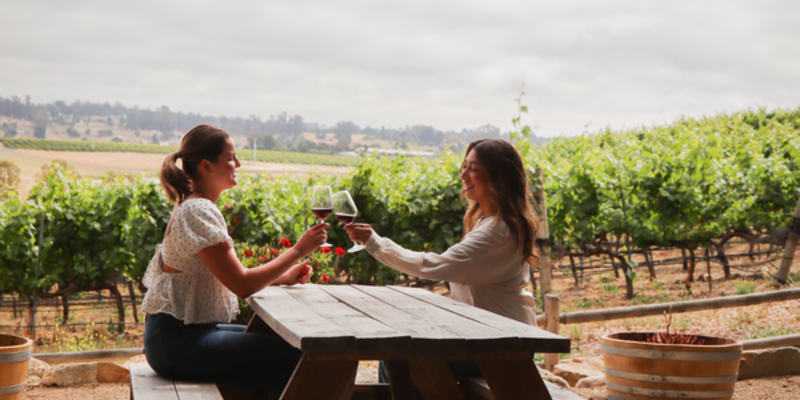
Rather than trying to fit everything into one day, leave room for a few experiences you'll actually have time to enjoy. Pair a winery with a long history and a smaller producer you're curious about, or leave time for lunch, a conversation with your tasting-room host, and an unexpected stop along the way.
Harvest is a working season, so the experience can look different from one vineyard to the next.
Plan a Harvest Wine Weekend in Paso Robles
Paso Robles is a destination that rewards taking your time.

Spend a morning exploring wine country, an afternoon discovering Tin City or downtown, and an evening enjoying a meal, live music, cocktails, or the glow of Sensorio.
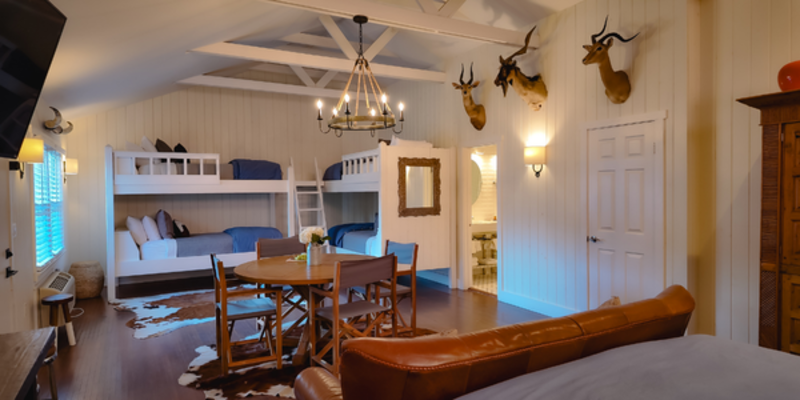
Choose your home base from Paso's range of hotels and resorts, downtown hotels, and vacation rentals, and plan tasting reservations and transportation before you arrive.
The beauty of Harvest Wine Month is in those connections: between the landscape and the glass, the early growers and today's winemakers, the work of the season and the pleasure of sharing it.
Come experience Paso Robles while another vintage—and another piece of its history—is taking shape.
Harvest Season in Paso Robles: Frequently Asked Questions
When is harvest season in Paso Robles?
Harvest season typically takes place from late summer through fall, with September and October among the busiest months in Paso Robles Wine Country.
Why is Paso Robles important to California wine history?
Paso Robles has a long agricultural history, with vineyards eventually becoming an important part of the region's identity. Early growers, pioneering winemakers, and families who invested in the region helped establish Paso Robles as a major wine-growing destination.
What grapes are grown in Paso Robles?
More than 60 wine grape varieties are grown throughout Paso Robles, including Cabernet Sauvignon, Zinfandel, Grenache, Syrah, Mourvèdre, and other Rhône and Bordeaux varieties.
How many wineries are in Paso Robles?
Paso Robles Wine Country is home to more than 200 wineries and tasting rooms, ranging from historic family-owned properties to newer independent producers.
What are some historic wineries to visit in Paso Robles?
Eberle Winery, J. Lohr Vineyards & Wines, Peachy Canyon Winery, Tablas Creek Vineyard, Hope Family Wines, and Epoch Estate Wines each offer connections to different chapters of Paso Robles' wine history.
Can I see grapes being harvested in Paso Robles?
Harvest activity varies by vineyard and timing, so seeing grapes being picked isn't guaranteed. Check directly with individual wineries about harvest activities, tours, and reservations.
What can I do in Paso Robles besides wine tasting?
Explore historic downtown, discover Tin City, enjoy locally sourced food, take a scenic drive through wine country, listen to live music, or experience Paso Robles after dark.
Where should I stay during Harvest Wine Month?
Paso Robles offers vineyard resorts, downtown hotels, boutique properties, and countryside accommodations. Staying overnight gives you more time to experience the wine country, food, landscape, and communities that make the region unique.